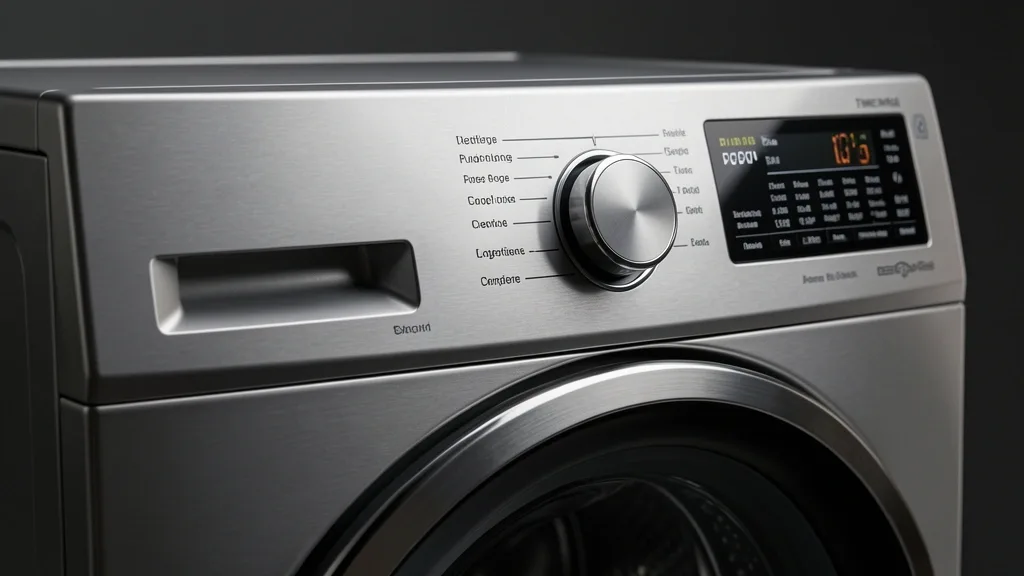
Mastering tumble dryer settings separates those who ruin their clothes from those who keep a wardrobe looking new for years. Modern dryers aren’t just heating boxes; they are computer-controlled environments that manage energy and protect fabric health. Understanding these internals is the first step toward professional-grade laundry management.
Key Takeaways
- Moisture sensors use electrical conductivity to stop cycles, keeping you from over-drying and damaging fibers.
- Your washer’s spin speed is a force multiplier for dryer efficiency; it dictates how hard your dryer has to work.
- Timed dry cycles are the best choice for synthetic blends or heavy items that sensors often misread.
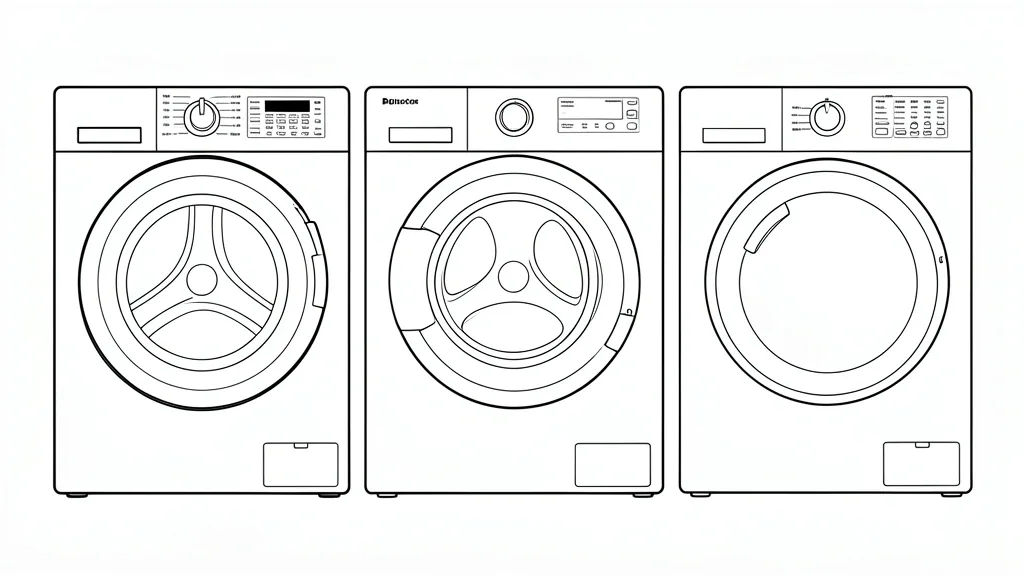
Technical Overview of Dryer Sensing Technology
The modern dryer relies on a tug-of-war between moisture sensors and timed cycles. Moisture sensors track electrical conductivity as clothes tumble against metal striker bars inside the drum.
When damp fabric shorts the gap between these sensors, the circuit stays closed, telling the dryer to keep running. As clothes dry out, conductivity drops, signaling the controller to drop into a cool-down phase.
This system isn’t perfect. If you have a dense load—like heavy towels—the center might stay soggy while the exterior feels dry, tricking the sensor into ending the cycle early.
That is where the timed dry cycle comes in. It ignores conductivity and runs the heating element for a fixed amount of time. This is a requirement for synthetic blends or bulky items that don’t conduct electricity well.
High-end machines use a hybrid approach. The sensor handles the heavy lifting, then the machine runs a cool-down protocol. This prevents “heat shock,” where clothes getting hot and stopping suddenly causes fibers to degrade.
If you want to understand the physics of mechanical drying systems, look at air saturation. Sensors are gauging how fast your clothes are losing moisture, not just reading temperature.
Dirty sensors cause big problems. Fabric softener residue builds up on those metal strips, insulating them and forcing the dryer to shut off prematurely. Clean them regularly to keep your cycles from cutting out early.
Heat pump efficiency relies heavily on this data. Because these units run at lower temperatures, they need precise timing to dry clothes fully without running all day.
Use the “wrinkle prevent” option if your machine has it. It uses the sensor logic to tumble clothes periodically, keeping fibers from settling into creases while they are still warm and malleable.
The Diagnostic Matrix: Identifying Fabric Requirements
Protecting your clothes requires a surgical approach to heat. Wrong settings strip elastic, shrink wool, and scorch synthetics. This matrix helps you balance energy efficiency with textile health.
| Fabric Type | Heat Setting | Cycle Type | Duration/Note |
|---|---|---|---|
| Denim | Medium | Sensor Dry | Group like weights together. |
| Knits | Low | Delicate | Requires gentle tumbling to avoid stretching. |
| Synthetics | Low | Timed Dry | Prevents heat-set wrinkles. |
| Down | Low | Timed Dry | Needs extra time for loft recovery. |
Watch your load capacity. Overloading the drum stops uniform airflow, leading to the “wet-center” phenomenon in heavy items like jeans.
Synthetics are tricky because they don’t hold much moisture. If you run a sensor cycle for a load of polyester, the sensor will misinterpret the dry surface and terminate the cycle way too early.
Static is often a symptom of heat damage. When natural fibers get too hot, they lose their internal moisture and build up an electric charge. Switch to lower heat to keep your clothes soft and static-free without needing dryer sheets.
Always check the care label on your garments. The manufacturer’s symbol is the final word, overriding any setting on your machine.
Take care of your vents. If your exhaust is clogged, the machine’s internal thermal sensors will detect a lack of airflow and throttle the heat, making your dry times explode.
If your dryer keeps quitting on you, check the lint trap and the exterior ductwork first. Blockages are the leading cause of “dryer failure.”
Skip the “Heavy Duty” setting for woolens or tech fabrics. Those are built for mass, not fiber structure, and will shrink your best clothes in a heartbeat.
Pre-drying Prerequisites for Optimal Results
Dryer efficiency starts at the washer. Aim for a spin speed of 1200+ RPM. Centrifugal force is much cheaper and more effective at removing water than the dryer’s heating element.
Reducing the water content before moving clothes to the dryer takes the pressure off the moisture sensors and prevents your machine from pulling high wattage for a long time.
Sort by fabric weight. Mixing heavy denim with lightweight synthetics creates a “sensor mismatch.” The dryer runs until the denim is dry, likely ruining the light fabrics in the process.
Keep your load volume around 75% of the drum’s capacity. Too full, and you lose the movement needed for hot air to circulate. Not full enough, and the clothes won’t hit the sensors consistently.
Segregate your loads by density. Keep towels and sheets away from shirts and undergarments. This gives the sensor a fair shot at getting the cycle right.
Streamlining the transition from washer to dryer will protect your textiles and keep your appliance running for years.
Step-by-Step Workflow for Perfect Drying
Phase 1: Precision Sorting and Load Preparation
Sort laundry by weight, material type, and color. Never put heavy, wet towels in with light knits. If you have a high-efficiency washer, run the maximum spin cycle (1200+ RPM) to pull out excess water before the load goes into the dryer. This single move cuts down on energy use and cycle length.
Phase 2: Loading and Selection Protocol
Keep your dryer 3/4 full. Overloading creates a ball of clothes that leaves the center damp and scorches the outside. Use “Sensor Dry” for most loads. Skip “Timed Dry” unless you have a specific reason to run it for a set period, as these cycles ignore the sensor and cause fiber damage.
Phase 3: The ‘Shake-Out’ Execution Strategy
Set your dryness to “Less Dry” or “Damp Dry” instead of “More Dry.” When the buzzer sounds, empty the machine right away. Give each garment a firm, sharp shake. This forces the last bit of moisture to evaporate and resets the fabric, which helps avoid ironing. Leaving clothes in the drum to cool traps wrinkles permanently.
Emergency Recovery: Handling Over-Dried or Damp Loads
If you pull out a load that’s still wet, don’t just add more time. Take out the items that are already dry. Toss the damp ones back in with a clean, dry microfiber towel. The towel acts as a sponge and helps move heat around, getting your clothes dry in a quick 10-minute “Air Fluff” cycle.
For clothes that are stiff or full of static, you have likely scorched the fibers. Use a “Steam Refresh” or “Sanitize” cycle if you have one. If not, lightly mist the clothes with water and tumble them on “Delicate” for five minutes. This brings back the natural moisture and restores the fabric’s soft feel.
If your dryer quits early, check the sensor bars inside the drum near the lint filter. A film of fabric softener is likely blocking the sensors. Clean them with a little white vinegar on a cloth. This restores their ability to detect the moisture and stops your dryer from bailing on you mid-cycle.
Common Pitfalls and Performance Bottlenecks
The “Congested Venting Syndrome” is the #1 dryer killer. The vent pipe is the lungs of your machine. When lint builds up in the rear duct, resistance rises, airflow drops, and the temperature spikes. This trips thermal fuses and leaves you with hot, damp, musty clothes.
Overloading is next. You might fit 10 pounds of cotton in the drum, but if it can’t tumble, the air can’t move. This stresses your seams and wastes energy. Check your lint filter before *every* cycle; a clogged filter forces your blower motor to pull a vacuum.
Match your load to your machine’s power. An oversized king comforter in a small heat pump dryer will force the machine to “time out” to save the motor. If your laundry volume is consistently bigger than your dryer, split the loads or you will burn out your bearings and heating core prematurely.
Long-Term Care and Energy Optimization
Treat your dryer like a fine instrument. Energy efficiency depends on a clean heat transfer path. For heat pump owners, the condenser needs clear airflow. Even if your machine is “self-cleaning,” check the housing once a month to vacuum up fine lint that the system might miss.
Clean your outdoor vent annually. If the flap is stuck or clogged with debris, your machine works twice as hard, jacking up your electric bill and killing the heating element. Have a pro clear your internal ducts every 18 months to remove buildup that a home vacuum simply cannot reach.
Prioritize low-heat settings. High heat makes the dryer work less efficiently, wasting watts while damaging your clothes. Medium or low heat preserves elastic and spandex, keeps synthetic fibers from breaking down, and makes your wardrobe last longer. A well-maintained, correctly used dryer pays for itself in energy savings and longer garment life in under five years.
📌 Save to Pinterest
Frequently Asked Questions
Why do my clothes come out damp when using the sensor dry setting?
The sensor bars may be dirty. Residue from dryer sheets or fabric softener prevents the drum from “feeling” the moisture. Wipe the bars with white vinegar. Also, don’t cram the drum full; if the wet clothes don’t hit the sensors, the machine assumes the load is dry and turns off.
Which dryer setting prevents shrinking in natural fiber garments?
Natural fibers like cotton and wool hate high heat. Use a “Delicate” or “Low Heat” setting. Better yet, pull them while they are still slightly damp to the touch and let them finish by air-drying on a rack. This ensures the fibers don’t heat-set in a shrunken state.
Is it more energy-efficient to use high heat for short times or low heat for longer times?
Low heat for longer is both more efficient and safer. High heat consumes heavy wattage to maintain peak temperatures and often leads to over-drying, which is a massive waste of energy. Low heat maintains a steady evaporation rate that is gentle on your clothes and your machine’s internal components.
What is the actual difference between ‘Permanent Press’ and ‘Delicate’ cycles?
‘Permanent Press’ includes a cool-down period at the end to prevent wrinkles from setting into synthetic fabrics. ‘Delicate’ uses lower heat and slower, gentler tumbling to protect lace or high-stretch items from tearing. Use Permanent Press for work clothes and Delicate for expensive, high-stretch garments.
How does the spin speed of my washing machine affect my tumble dryer settings?
Your washer’s spin speed establishes the “starting line” for moisture. A 1600 RPM spin pulls out far more water than an 800 RPM spin. By maximizing your washer’s spin, you reduce the dryer’s job, which lets you use lower, healthier heat settings without ending up with damp clothes.