Mastering the best dryer settings for sheets is less about guessing and more about understanding your machine’s thermal dynamics. Most fabric damage I see in the field doesn’t come from cheap linens—it comes from users selecting the wrong cycle.
By optimizing your dryer’s sensor calibration and changing how you load your machine, you can keep your bedding crisp, soft, and durable for years to come.
Key Takeaways
- Moisture-sensing cycles are superior because they track actual fabric conductivity, not just a ticking timer.
- Matching your heat setting to fabric type prevents the dreaded “fitted sheet rope” and heat-set wrinkling.
- Consistent lint trap maintenance and avoiding “mixed-weight” loads are the two biggest factors in stopping unnecessary, energy-draining over-drying.
Understanding Your Dryer Architecture
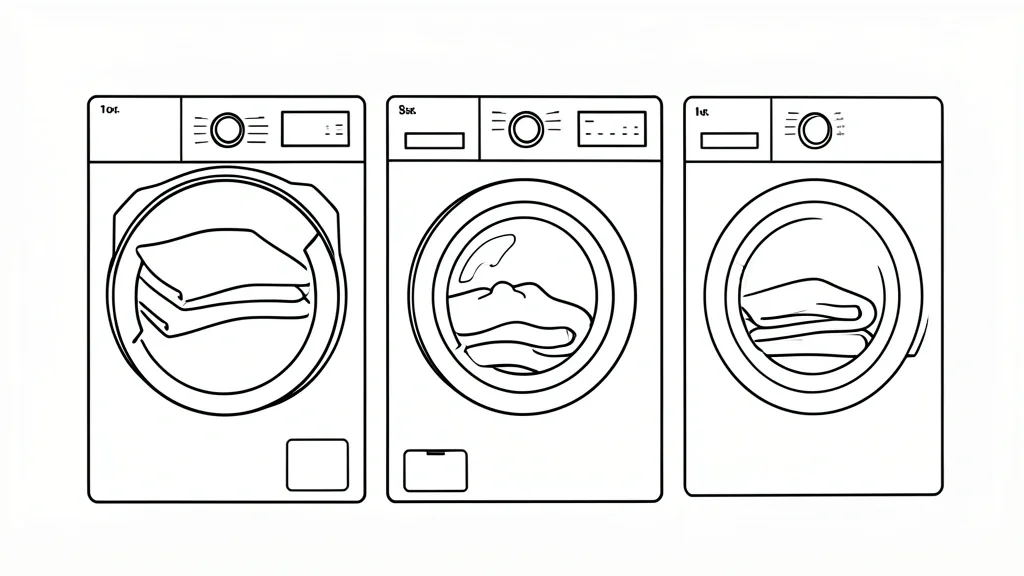
Modern dryers rely on two distinct control philosophies: timer-based cycles and moisture-sensing technology. Timed cycles run for a fixed duration, which is a recipe for disaster. They almost always lead to over-drying, which breaks down delicate cellulose fibers in your cotton sheets.
Moisture-sensing cycles are different. They use sensors—usually located inside the drum or near the lint screen—to monitor electrical conductivity. As wet fabric rubs against the sensors, it closes an electrical circuit, telling the control board to keep the heat on. As the fabric dries, its resistance rises, signaling the machine to move into a cool-down phase.
This moisture sensor calibration is a game-changer. However, in huge, high-capacity dryers, a bunched-up load can mask the sensors entirely, giving your machine a “false dry” reading.
To combat this, look for the “Less Dry” or “Damp Dry” toggle. Keeping just a tiny bit of internal humidity in the fabric is the secret to a professional, wrinkle-free finish.
Never skip the cool-down phase. If the drum stops moving while the fabric is still at a high thermal threshold, the wrinkles will “set” permanently. If your machine allows it, always program a few minutes of air-only tumbling at the end.
The Diagnostic Matrix: Material and Thread Count
Treating every fabric the same is a mistake. High-thread-count sateen behaves differently than a polyester-cotton blend under infrared heat. Using a “Heavy Duty” setting on the wrong fabric causes friction, leading to pilling and that annoying “balling” effect where sheets tangle into a tight knot.
| Fabric Type | Heat Setting | Cycle Mode | Reasoning |
|---|---|---|---|
| 100% Cotton Percale | Medium/Low | Delicate / Perm Press | Avoids fiber brittleness. |
| High-Thread Sateen | Low | Moisture-Sensing | Prevents snagging and fuzzing. |
| Microfiber/Synthetic | Low | Synthetic / Delicate | Prevents heat-based fiber melting/pitting. |
| Linen/Blends | Medium | Timed / Short | Limits static and prevents shrinkage. |
For high-thread-count cotton, aggressive drying forces lint to shed faster, leaving your sheets feeling thin after a few months. Use a delicate cycle rotation. This dips the rotation speed and cycles the heating element more gently, keeping the center of the laundry mass from overheating.
If you prefer synthetic blends, be extra cautious. High heat actually creates micro-pitting in synthetic fibers. If you own a modern heat pump dryer, you’re in a great spot—these units run at lower temperatures and are far better for the integrity of your bedding.
Check your dryer’s thermistor if you notice inconsistent drying. If it’s failing, the dryer will swing between extreme heat and complete shut-off, which effectively destroys the elasticity in your fitted sheets.
Pre-Cycle Prerequisites for Superior Results
Drying physics relies on consistent airflow. Before you even touch the dial, you need to fix your loading technique. Don’t stuff a tangled ball of damp sheets into the drum.
Manually shake out every piece. This simple step stops the outer layers from “cooking” while the middle stays damp. It also ensures the sensors aren’t blocked by a dense, unmoving mass.
Clean the lint trap before every load. A clogged trap forces the machine to recycle humid air. This boosts the ambient temperature and leads to a common failure: the “over-dried but still hot” laundry syndrome. Aim to have your external vent path checked once a year to keep exhaust pressure within manufacturer specs (ideally below 0.6 inches of water column).
Capacity matters, too. If you jam the drum, the sheets can’t “fluff,” and they will trap moisture in the core. Also, never mix heavy bathroom towels with lightweight sheets. The towels hold onto water for twice as long, forcing your sheets to get blasted with heat long after they’re already dry.
Step-by-Step Workflow for Optimal Dryness
Phase 1: Preparation and Load Distribution
Damp, balled-up sheets are almost always a result of bad loading. Keep the drum under 3/4 capacity to allow for movement. For a king set, try drying your pillowcases in their own short cycle, or they’ll wind up hidden inside the fitted sheet’s pocket.
Phase 2: Setting Selector and Cycle Logic
Stick to ‘Normal’ or ‘Cotton’. Avoid the ‘Heavy Duty’ setting like the plague—it’s meant for denim and workwear, not bed linens. Use ‘Low’ or ‘Medium’ heat to protect the elastane in your fitted sheet corners.
Phase 3: The ‘Toss-Dry’ Method and Cool-Down Phase
Use the ‘Wrinkle Prevent’ or ‘Cool Down’ setting. If you don’t have these, set a 10-minute ‘Air Fluff’ timer once your main cycle finishes. This final toss prevents the sheets from cooling while wadded up in a heap, stopping that board-stiff texture before it starts.
Recovery: Fixing Damp or Over-Dried Sheets
Technical Restoration for Damp Sheets
If you open the door to a damp ball, don’t restart the ‘Auto-Sense’ cycle. The sensor will just see the dry outside layer and shut off again. Switch to ‘Timed Dry’ for 15 minutes on medium heat. Pause at the halfway mark to physically untangle the sheets and expose the damp interior.
Restoring Over-Dried, Brittle Fabric
If your sheets feel like sandpaper because of too much heat, they’ve lost their natural internal moisture. Use a ‘Steam Refresh’ cycle to re-hydrate the cotton. If you don’t have steam, dampen a clean washcloth, toss it in with the sheets, and run them on ‘Air Fluff’ for 10 minutes. The moisture will transfer and soften the fibers instantly.
Emergency Pitfalls
Avoid running back-to-back cycles if your dryer stops heating. This is usually the thermal fuse protecting the machine. Let it rest for 20 minutes to allow the heating elements and sensors to normalize.
Long-Term Mechanical Hygiene and Maintenance
The Science of Sensor Accuracy
Those small metal bars near your lint filter are prone to residue buildup from dryer sheets and detergents. A thin dielectric film covers them, making your sensors “blind.” Clean these bars once a month with a rag and white vinegar. It ensures your machine actually does what it’s supposed to do.
Exhaust and Heat Pump Maintenance
Vented dryers need a clear path. Vacuum your ducts and the outside vent hood twice a year. If the exhaust pressure is too high, the sensor literally cannot operate in a high-humidity environment. For heat pump users, check the condenser coils behind the kickplate. If those are clogged with dust, your cycle will crawl from 45 minutes to over three hours, and your sheets will never fully dry.
Frequently Asked Questions
Why do my sheets come out in a ball still damp in the center?
It’s the “balling” phenomenon. The sheets seal themselves up, trapping moisture in the middle. Stop the dryer every 20 minutes to shake them out, or toss in a few clean tennis balls to keep the items separated.
Should I use the ‘Heavy Duty’ or ‘Cotton/Normal’ setting for bedding?
Use ‘Cotton/Normal’. ‘Heavy Duty’ uses too much heat, which kills the elastic in your fitted sheets and makes standard cotton feel thin and scratchy.
How do I prevent fitted sheets from trapping other items in the dryer?
Try to run an all-sheet load. If you have to mix, fold the fitted sheet loosely and put it in at the very end, or use a large mesh laundry bag to keep it from cocooning your other items.
Do moisture sensors actually work on modern dryers or should I use timed dry?
They work great, provided you keep the sensors clean and don’t overload the machine. Only use ‘Timed Dry’ for targeted recovery or warming up cold sheets.
Is it better to air-dry sheets or use machine heat to prevent shrinkage?
Air-drying is the safest route for shrinkage. However, it often leads to stiffness. A quick ‘Low Heat’ machine cycle is usually the best balance between comfort and longevity.
📌 Save to Pinterest