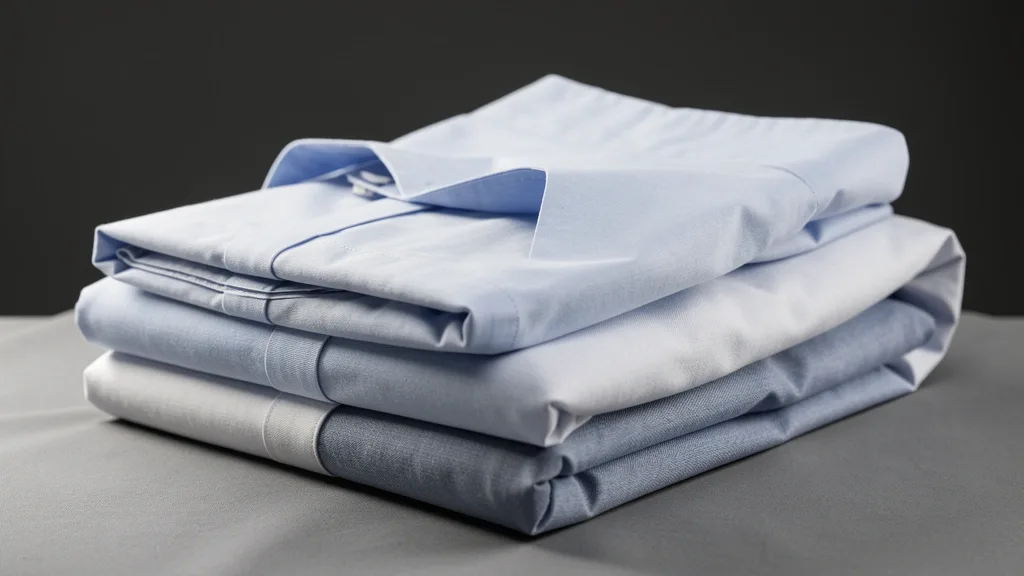
Mastering the best washer settings for sheets is the difference between linens that last a decade and those that fray or pill after a few months. As a product testing director, I have evaluated thousands of wash cycles. The most common failure point isn’t your detergent—it’s the improper calibration of time, temperature, and mechanical movement. Whether you use high-thread-count Egyptian cotton or modern moisture-wicking fabric, understanding your machine’s mechanics is the secret to a professional-grade clean.
Key Takeaways
- The Bulky/Bedding cycle is built for volume, not heavy soiling, which prevents mechanical stress.
- Fiber content dictates your temperature and spin speed, not just the size of the load.
- Stop the “tangled ball” phenomenon by manually separating and balancing your load before hitting start.
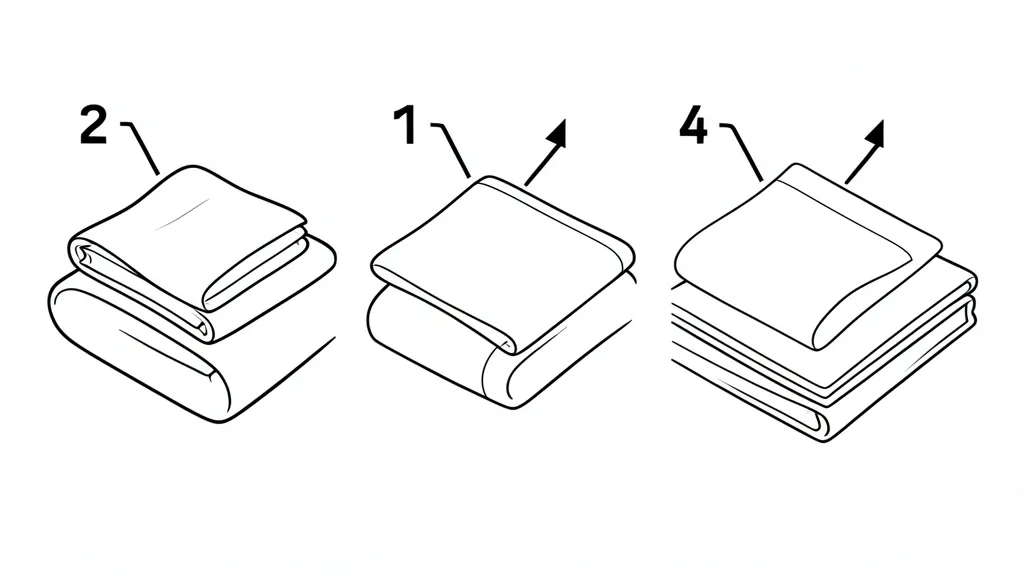
Understanding Your Washer’s Bedding Logic
The Bulky/Bedding cycle is engineered to manage large, absorbent items rather than provide aggressive scrubbing. A ‘Normal’ cycle uses high-velocity agitation to force water through clothes. In contrast, the bedding cycle uses a slower, deeper oscillation to accommodate water-logged fabrics.
High-efficiency (HE) machines increase the total water volume in this mode to ensure full submersion. Bedding creates a massive surface area that traps air. Without enough water, your sheets stay buoyant and won’t rub against each other to lift dirt.
The machine rhythm changes, too. HE top loaders switch from a sharp, snappy motion to a gentle “swish.” This reduces the tangling that inevitably happens when fitted sheets wrap around other items and trigger your machine’s imbalance sensors.
You’ll also notice lower RPMs during the spin phase. This prevents linens from being plastered against the drum walls with enough force to cause fiber breakage. It’s a subtle protection measure against premature thinning.
Temperature-wise, these cycles often default to warm or cold. While hot water sanitizes, you don’t want to heat-set protein-based stains like body oils and skin cells. By keeping temperatures moderate, you prioritize stain removal over thermal shock.
Most of these cycles trigger an extra rinse by default. Because bedding is so dense, rinsing out residual soap is harder than it looks. That deep soak is your primary weapon against the skin irritation and chemical buildup caused by leftover detergent.
The Diagnostic Matrix: Identifying Your Load Type
Selecting the right setting is a calculation based on durability and machine architecture. With premium cotton, your enemy is friction. With moisture-wicking synthetics, your enemy is heat, which can warp or melt the fibers.
| Symptom / Error | Possible Cause | Quick Check | Resolution |
|---|---|---|---|
| Tangled ball / Error code | Mixed-fabric bedding | Check for heavy/light mix | Only wash sheets with other sheets; never mix towels with sheets |
| Sheet remains soapy | Excessive detergent | Check drum for bubbles | Reduce detergent by 25%; use extra rinse |
| Load imbalance | Top loader vs front loader capacity issues | Ensure drum is 3/4 full | Do not overload; bedding needs room to tumble |
| Stains on sheets | Body oil saturation | Inspect seams/corners | Use a pre-soak with oxygen-based bleach |
With high-efficiency machines, don’t pack the drum past the three-quarters mark. If you jam the machine full, the sensors cannot detect balance properly. Your sheets need air and water space to circulate.
If you have an older agitator-style top loader, proceed with caution. The center post is a trap for fitted sheets. Place the fitted sheet at the bottom in a loose ring around the agitator, then lay the flat sheet over it as a buffer.
Down-filled bedding is a different beast entirely. These items are sensitive to water weight. Only use a cycle rated for ‘Bulky’ items. Always check the fabric care label. If it says “Dry Clean Only,” listen—you can ruin the loft of the down permanently by washing it at home.
Synthetic bedding follows a strict “Warm/Cold” rule. High heat triggers thermal shock in synthetic polymers. It makes the material feel rough and scratchy. Keep your spin speed at “Medium” to protect the elastic in your fitted sheets.
Critical Prerequisites: Sorting and Pre-Wash Prep
Most laundry failures happen before the machine even starts. Segregate your loads. Never mix bedding with regular clothing. Zippers on jeans or hooks on bras are essentially saws that will tear into your sheets during the high-speed spin cycle.
Keep towels away from sheets. Towels are abrasive by design; they cause pilling on cotton sheets almost immediately. Many people assume they bought “cheap” sheets, but they’ve actually just combined incompatible fabrics in the wash.
Regarding detergent dosage: less is more. Modern HE detergents are super-concentrated. Using a “heaping” cupful creates residue that traps bacteria and body oil. Use the fill line exactly; otherwise, your whites will turn gray and stiff.
For cotton sheets with heavy body-oil buildup, use a pre-soak. Fill the washer with water and a tablespoon of detergent, let it agitate for 30 seconds, then pause the cycle for up to an hour. This lets the soap break down the oils before the main wash begins.
Last, check the drum for debris like coins or hairpins. A single metal object can snag a fine weave during a long spin cycle, creating a hole that will only grow larger every time you wash it. Cleaning the lint filter and door gasket should be a non-negotiable step.
Step-by-Step Workflow for Optimal Cleaning
I frequently see premature fabric failure caused by poor machine operation. Achieving hotel-quality results starts with how you prepare the load.
Phase 1: Pre-Wash Inspection
Check labels for material specs. Spot treat visible stains—like makeup or sweat—with high-quality enzyme cleaners. Let them dwell for 15 minutes. If you’re battling allergens, use a 60-minute pre-soak with oxygen-based bleach to break down proteins.
Phase 2: Loading Geometry
Physics matters more than capacity here. Load to 75% capacity so the sheets have room to move. Avoid “nesting,” where smaller pillowcases slip inside a folded fitted sheet. Zip your duvet covers and button your pillowcases; otherwise, they’ll catch water like a parachute, causing an imbalance.
Phase 3: Cycle Parameters
Choose your “Bedding” or “Bulky” setting. These modes offer higher water levels and lower agitation. Select 140°F (Hot) for cotton to sanitize or 85°F (Warm) for synthetic blends. Always flip on the “Extra Rinse.” It’s the easiest way to ensure all detergent and loosened allergens are flushed out of the weave.
Emergency Recovery: Fixing Imbalance
The “UE” or “Ub” error code is pure physics. Your machine senses a water-logged mass that isn’t evenly distributed. It will stop the cycle to prevent damage to the suspension.
The Emergency Protocol: If you get this error mid-cycle, wait for the safety lock to disengage. Do not force the lid. Once opened, reach in and redistribute the wet fabric. Most often, a duvet cover has “swallowed” smaller items. Separate the knots, spread the weight around the perimeter, and restart the “Drain and Spin” cycle. If the load is dripping wet, remove a few pieces before trying your next regular cycle.
Never mix heavy towels with light sheets again. The weight difference causes the machine to struggle during the high-speed extraction phase, which is a leading cause of sensor and motor failure.
Common Pitfalls and Machine Maintenance
Stop using fabric softeners. They leave a waxy, hydrophobic film on fibers. Over time, this traps oil and sweat, kills the breathability of your fabric, and creates a “musty” biofilm inside your drum. Run a monthly “Tub Clean” cycle with a descaling agent to keep your machine free of mineral buildup and mold.
Also, watch out for “Suds Lock.” More foam does not equal cleaner sheets. If you see a thick head of suds during the cycle, you are using too much detergent. The foam creates a buffer that prevents water from actually cleaning the fibers. Switch to an HE liquid and use half the recommended amount.
Long-Term Care for Premium Linens
Luxury linens require a specific touch. Excessive dryer heat is the #1 cause of fiber degradation. Use the “Low Heat” setting. Even better: remove the sheets when they are 90% dry and let them finish by hanging—this prevents the “baking” effect that makes cotton brittle.
Skip the dryer sheets. They rely on silicones that coat your fabric, ruining its ability to wick moisture. Use a quarter-cup of white vinegar in the rinse cycle instead. It softens fibers and balances the pH level of the fabric without leaving a waxy residue. Treat your linens this way, and you’ll get years of extra mileage out of your bedding.
📌 Save to Pinterest
Frequently Asked Questions
Why do my sheets end up in a tangled, soaked ball after the wash cycle?
This is a classic “water cocoon” effect. Centrifugal force pushes larger items against smaller ones. Prevent this by not overstuffing your washer and by zipping up duvet covers or buttoning pillowcases before loading.
Is it better to wash sheets on the bulky/bedding setting or the normal cycle?
The Bulky/Bedding setting is better for sheets. It forces the machine to use higher water levels and lower, more rhythmic agitation, which effectively handles dense, heavy bedding without triggering balance errors.
At what temperature should I wash sheets to kill dust mites and allergens?
Use a Hot cycle of at least 140°F (60°C). If your machine has a dedicated “Sanitize” or “Allergen” cycle that holds this temp, select that for maximum hygiene.
Should I use the extra rinse setting for bedding?
Absolutely. Modern HE washers use so little water that residual detergent often remains trapped in the fabric weave. An extra rinse flushes out dead skin cells and soap, which protects your skin from irritation.
How often should I wash my sheets to extend their fabric life?
Wash sheets weekly. While some fear that frequent washing hurts the fabric, the opposite is true. Leaving sweat and body oils on the fibers for two weeks causes the material to break down faster due to chemical reactions. Consistency is the secret to longevity.