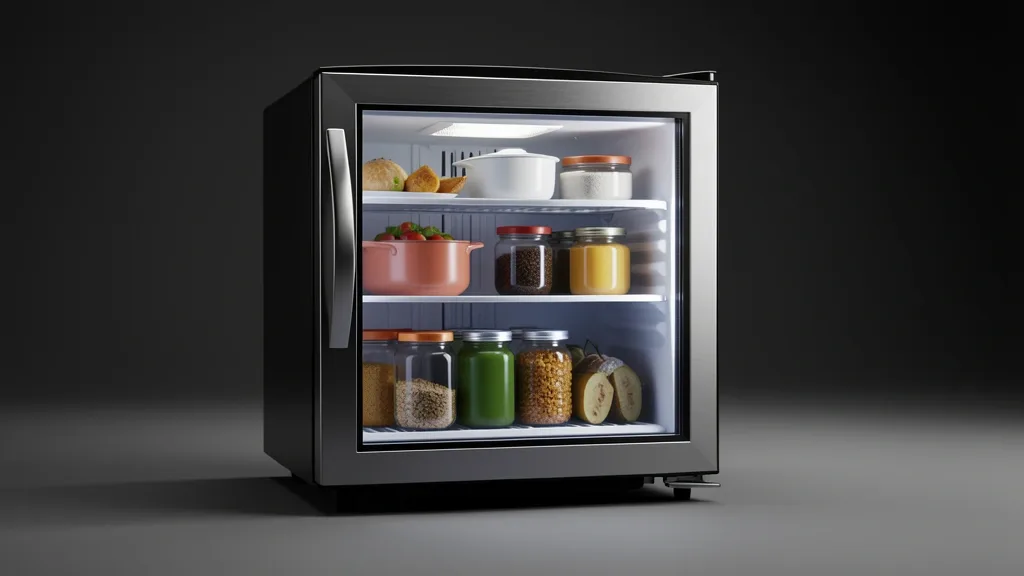
Mastering your magic chef mini fridge settings is the best way to keep your food safe and get the most life out of your appliance. While these small units look simple, they rely on basic mechanical thermodynamics. A few manual adjustments can keep your fridge running at peak efficiency for years.
Key Takeaways
- The thermostat dial isn’t a thermometer—it’s a duty cycle switch. Always wait 24 hours after an adjustment to see real results.
- The room temperature in your dorm or garage dictates how hard the compressor works. You’ll need to adjust seasonally.
- Airflow is non-negotiable. If you choke off the ventilation, you’ll burn out your compressor prematurely.
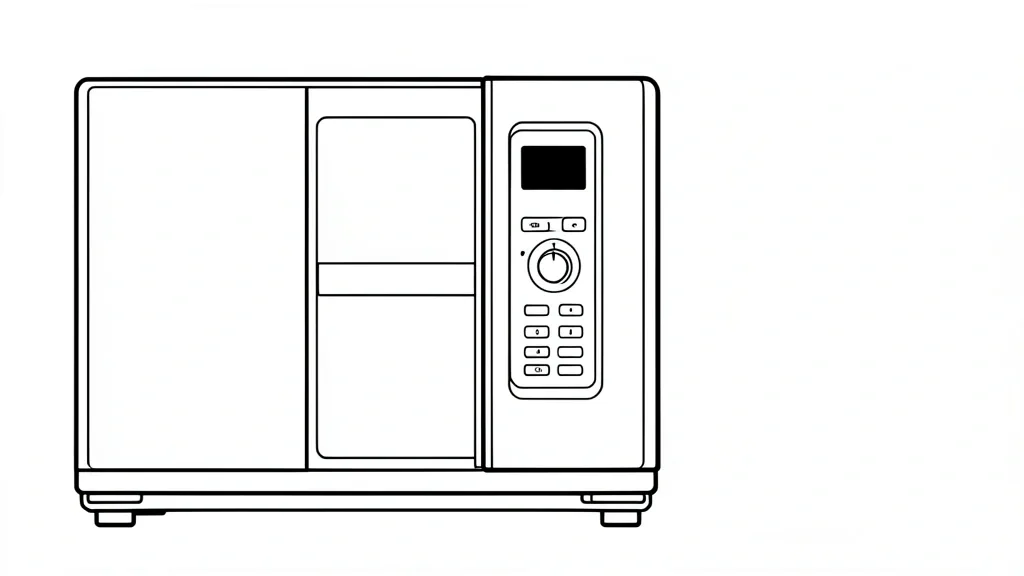
Understanding Your Magic Chef Cooling System
Most Magic Chef compact units use a mechanical thermostat dial rather than a digital sensor. This dial essentially tells the compressor when to turn on and off based on the temperature near the evaporator plate.
Because these fridges don’t have separate sensors for the freezer and fridge, they rely on a simple cooling loop. Most dials run from 1 to 7, with 7 being the coldest. Think of these numbers as intensity levels, not specific temperatures.
Factory defaults are set for a standard 70°F room. If your fridge sits in a hot garage or a humid dorm room, those settings won’t work. You’ll likely end up with frozen lunch meat or lukewarm soda.
The biggest mistake users make is over-adjusting the knob. If you turn it too far, the compressor will cycle erratically. Respect the 24-hour rule: make a small change, then walk away for a day. This lets the refrigerant stabilize so the compressor doesn’t overwork.
If you don’t adjust the dial as the seasons change, your unit will struggle to meet FDA food safety standards. Treating the dial as a duty-cycle guide puts you in the driver’s seat for both power bills and appliance health.
The Diagnostic Matrix: Is Your Fridge Working?
Don’t assume your fridge is broken just because it feels warm. Often, it’s just a blocked vent or a dial that needs a slight tweak.
Try the “vibration test.” Go to the back of the unit and gently touch the compressor housing while the unit is supposedly running. You should feel a low, rhythmic hum. That means the motor is doing its job.
If it’s dead silent, try cranking the dial to max. If it still doesn’t kick on after 30 seconds, the thermostat switch or start relay hit a wall. If it runs non-stop, the thermostat might be stuck in the closed position.
| Symptom / Error | Possible Cause | Quick Check | Resolution |
|---|---|---|---|
| Constant Running | Blocked Airflow / Heat | Check wall clearance | Increase ventilation gap |
| Warmer than Normal | Dirty Coils | Inspect back tubing | Vacuum dust and lint |
| Ice Buildup | Bad Door Gasket | Dollar bill test | Replace/reset the seal |
| No Compressor Hum | Thermostat Failure | Vibration test | Check power; call support |
Try the “ice-pack verification.” Put a glass of water with a thermometer in it on the center shelf for three hours. If it reads over 40°F, notch the dial to a colder setting and check it again after 24 hours.
Watch out for “false cooling” cycles. If you keep opening the door, warm air rushes in and forces the compressor to run overtime. Keep a log of your dial settings so you don’t keep “tweaking” the system and burning out the motor.
Essential Prerequisites for Optimal Cooling
Your magic chef mini fridge settings won’t matter if the unit is installed incorrectly. The most common cause of failure is improper placement.
First, make sure the fridge is level. If it tilts forward, the door gasket won’t seal, and cold air will leak out. Use a bubble level and adjust the feet until the door hangs perfectly straight.
Second, prioritize ventilation. The coils on the back or sides are trying to dump heat. If you push the unit against a wall or stuff it into a cramped closet, that heat has nowhere to go. The compressor will run indefinitely, leading to an early death for your fridge.
Give the unit 2 to 4 inches of clearance on every side. If you live in a dorm, do not shove the fridge into a cubby. Without airflow, you’re just creating a thermal trap.
Keep the condenser coils clean. A layer of dust works like an insulator, stopping the cooling process. Vacuum the back grill every few months to keep the “radiator” working efficiently.
Keep the unit away from stoves, radiators, and sunlight. If the ambient temp is high enough, the fridge won’t be able to fight off the heat, regardless of what the dial says.
Step-by-Step Dial Calibration Workflow
Phase 1: Baseline Stabilization
If you just moved the fridge, let it sit upright for at least 6 hours. This lets the oils settle back into the compressor. Set the dial to 3 or 4 and load it halfway with room-temp items. Wait 24 hours without opening the door to let the internal temperature reach an equilibrium.
Phase 2: Sensor-Based Verification
Don’t rely on your hand to check the temp. Use a small fridge thermometer. If it’s above 40°F (4°C) after a day, you’re in the “danger zone” for bacteria. It’s time to move the dial.
Phase 3: The Single Notch Rule
Adjust the dial only one notch at a time. Wait another 12–24 hours before checking the temp again. Over-adjusting causes the system to “hunt” for the right temp, leading to excessive wear and potential ice buildup on the back wall.
Emergency Recovery for Non-Cooling Units
Initial Cold-Start Protocol
If nothing happens when you plug it in, you might have moved it too soon. Let it sit for 12 hours so the internal lubricants can flow back where they belong. If you powered it on immediately after moving, unplug it now and give it a long rest.
Clearing Circulation Blockages
If you hear the hum but the internal air is warm, check the evaporator plate for a thick wall of ice. Never use a knife or sharp tool to chip it off—you’ll puncture the coolant line and ruin the fridge. Instead, unplug it, put a bowl of warm water inside, and shut the door for 20 minutes. The ice will melt safely.
Thermal Reset
If it’s been 48 hours with no luck, cycle the thermostat from OFF to MAX about three times. This helps clean off any dust or oxidation on the silver contact points inside the switch.
Common Pitfalls and Performance Killers
The “Overstuffing” Effect
Mini fridges need air to move. If you pack the shelves solid, the air can’t circulate. Leave at least 15% of the space empty. If you block the airflow near the rear wall, the thermostat won’t sense the temperature correctly, and you’ll end up with a solid block of ice.
Cabinetry and Thermal Traps
If your fridge is in an enclosed cabinet, it’s going to fail. Without space for heat to escape, the compressor has to work twice as hard. If you have no other choice for placement, install a small USB exhaust fan to push the hot air out of the cabinet.
Ambient Temperature Swings
These units are meant for standard home temperatures. In a 95°F garage, a mini fridge simply can’t handle the pressure. Avoid putting them in unconditioned spaces if possible.
Long-Term Care and Energy Efficiency
Condenser Coil Maintenance
The coils on the back are dust magnets. Vacuum them every six months. It takes five minutes and can drop your energy bill by 15% while saving your compressor from overheating.
Door Gasket Integrity
The seal is what keeps your food cold. If it’s dirty or cracked, the fridge loses efficiency fast. Wipe it down with soapy water. If it feels stiff, dab a little petroleum jelly on it to keep it pliable. Test it by closing the door on a piece of paper—if you can pull the paper out with no resistance, the seal isn’t tight enough.
📌 Save to Pinterest
Frequently Asked Questions
How long should I wait after adjusting my Magic Chef mini fridge settings?
Wait 24 hours. Because mini fridges have low thermal mass, they don’t bounce back instantly. Patience is the secret to getting the right temp without icing everything over.
Does turning the dial to ‘7’ always mean it is the coldest setting?
Usually, yes. But always listen to the compressor. If you turn the dial and the compressor stops, you’ve actually moved it toward ‘warmer.’ Reverse direction to cool it down.
What should I do if my mini fridge is not cooling despite the setting?
Check if the compressor is running. If it’s silent, check your outlet. If it’s running but the fridge is warm, clean the rear coils. If it’s still not cooling, you likely have a refrigerant leak—which is unfortunately the end of the road for these units.
Why does my mini fridge freeze food even on a low setting?
You likely have food touching the back wall, which is the coldest point. Pull your food items forward and make sure the air vents aren’t blocked by bottles or food containers.
How can I tell if my thermostat dial is moving toward colder or warmer?
Turn the knob slowly while listening to the compressor. If the unit clicks off, you’re moving toward a warmer setting. If it stays running, you’re moving toward the cold settings.